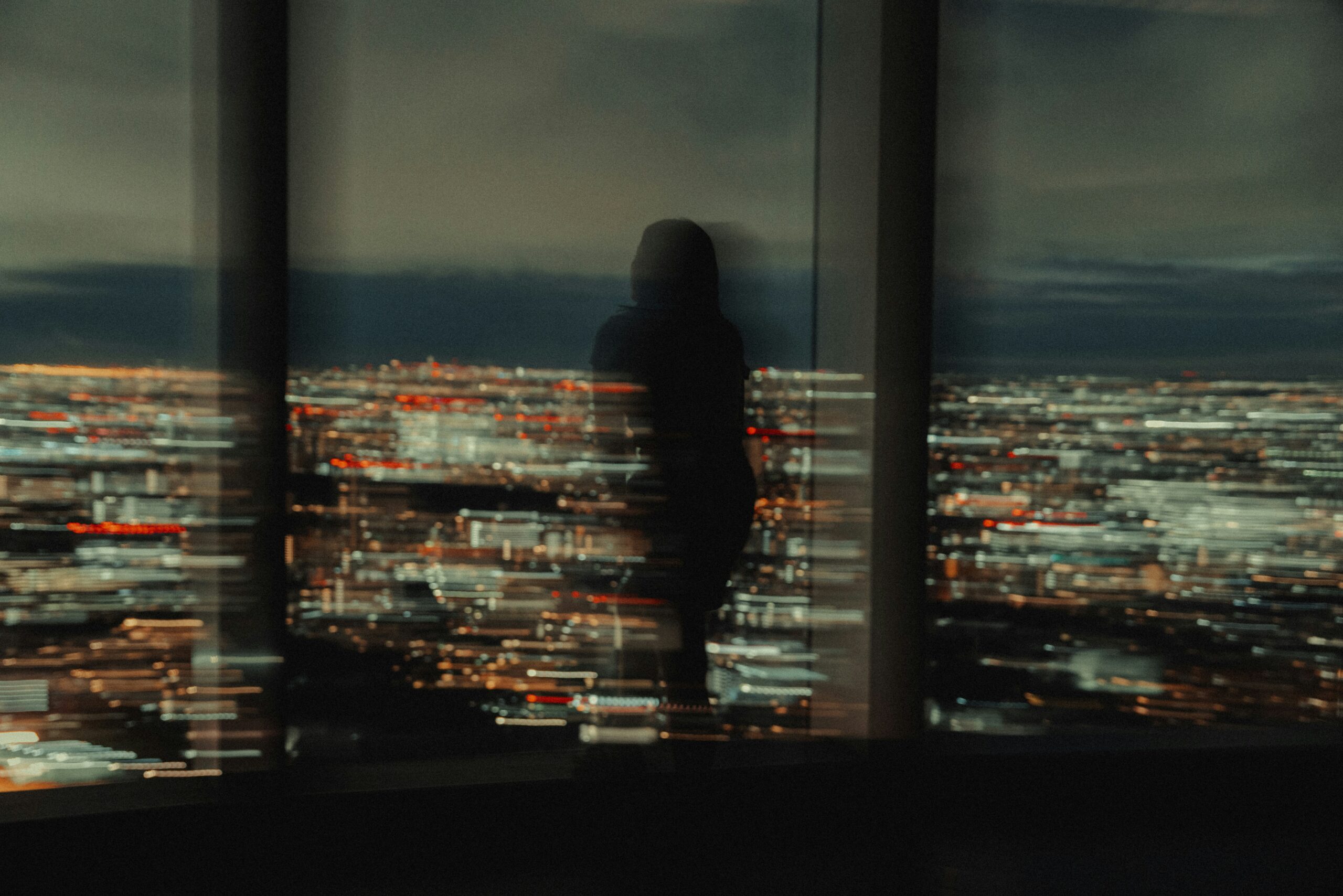
How Instant Gratification Destroys Motivation and Happiness
I became a slave to my own mind, and for a long time, I did not even know it.
Life started to feel like a loop. I was doing all the things I enjoyed: playing video games, watching my favourite films, eating whatever I wanted, scrolling, listening to music. Everything was available. Nothing was satisfying. I did not feel alive. I felt like I was going through the motions of a life I was supposed to enjoy.
That disconnect is what instant gratification does to you, quietly and consistently, until one day you wake up and the things that used to light you up do not do anything at all.
What Is Instant Gratification?
Instant gratification is the habit of choosing immediate pleasure over anything that requires patience, effort, or discomfort.
It feels good because it is designed to. Every time you get a quick reward, your brain releases dopamine, the chemical that signals pleasure and reinforces the behavior. Your brain registers: that felt good, do it again. And so you do.
The problem is not dopamine itself. Dopamine is not the enemy. It is the mechanism your brain uses to motivate you toward things that matter: finishing something hard, building something real, earning something you worked for. The problem is what happens when you flood that system with easy, constant stimulation that requires nothing from you.
Modern life has made that very easy to do. Everything is designed for the quick hit. The scroll, the next episode, the notification, the delivery that arrives before you even finish wanting it. We live inside a machine built to keep us consuming, and most of us never stop to ask what it is costing us.
Signs You May Be Addicted to Instant Gratification
It does not always look like addiction. It looks like a normal Tuesday.
You reach for your phone before you are fully awake. You cannot sit through a film without also scrolling. You open the fridge not because you are hungry but because you are uncomfortable. You start something difficult and abandon it within minutes because the resistance feels unbearable.
The need for stimulation escalates. Gaming is not enough on its own anymore, so you also have music playing. Watching something is not enough, so you reach for something else at the same time. You need more input to get the same feeling, and even then, it does not quite land.
You feel restless in the quiet. Boredom becomes almost physically painful. And underneath it all, there is this low hum of dissatisfaction, like something is missing, but you cannot name what it is.
Why Dopamine Is Not the Problem
Here is something worth understanding: dopamine is not bad. It is necessary.
Dopamine is what gets you out of bed to pursue something. It is what makes finishing a hard project feel good, what makes earned rest feel like actual rest. The brain is literally wired to accomplish difficult things and reward you for it. That system is a gift.
The issue is overstimulation. When you give your brain easy dopamine all day, it adapts. It downregulates. It starts needing more stimulation to feel the same level of pleasure. The baseline shifts. And suddenly the ordinary texture of life, a walk, a conversation, a moment of quiet, feels flat and underwhelming, not because those things have changed, but because your brain has been recalibrated to expect something louder.
You have not lost your capacity for joy. You have just been spending it in the wrong places.
How Instant Gratification Slowly Ruins Your Motivation
I kept waking up late. I had mental fog. I had a list of things that mattered to me and no energy to touch any of them. I was reading books about procrastination and putting them down half-finished. Watching videos about purpose while feeling none. The solutions I was reaching for were themselves part of the problem.
That is what a dopamine-saturated mind looks like from the inside. Difficult tasks start to feel impossible, not because you are incapable, but because your brain has spent all day getting rewarded for doing nothing hard. Why would it cooperate when you ask it to sit down and build something?
Procrastination gets worse. Attention span shrinks. The fire that used to push you toward your goals goes quiet. Not because the goals stopped mattering, but because the quick fix keeps arriving before you have a chance to feel the hunger that would move you toward them.
The Cost of Constant Stimulation
The insight hit me like a right hook from Mike Tyson, sudden and disorienting, knocking me into a kind of clarity I had not had in months.
I was not enjoying my life, even though I was doing everything I thought I enjoyed. The stimulation was everywhere and the satisfaction was nowhere. That is the paradox at the centre of this.
Think about it this way. Imagine you are lost in a forest. It is cold, you are hungry, weeks have passed, and one day someone finds you. Can you imagine how alive you would feel in that moment? The gratitude, the relief, the fullness of it?
Now imagine the same scenario but you have unlimited phone battery, your favourite food appears every two hours, and you are perfectly comfortable where you are. Someone shows up to rescue you and says everyone is waiting. What is your response? Honestly? Probably something like: can it wait, I just started a new series.
That second version is closer to how most of us are living. The quick reward has taken away the hunger. And without the hunger, nothing tastes like anything.
The cost shows up in your attention span, in your relationships, in the creeping sense that real life is less interesting than the screen. It shows up in your self-esteem, in the gap between who you are and who you intended to be.
Why Delayed Gratification Feels More Fulfilling
The brain is designed to enjoy accomplishment, not just pleasure. Those are different things.
Pleasure is what happens when you consume something. Accomplishment is what happens when you build, finish, or endure something. The dopamine that follows real effort is different in quality from the dopamine that follows a scroll. It lasts longer. It compounds. It leaves you feeling like yourself.
The harder the task, the more meaningful the reward tends to feel. Not because suffering is good, but because your nervous system recognises the difference between something earned and something handed to you. One registers as real. The other is just noise.
Delayed gratification is not about deprivation. It is about understanding what actually satisfies you, and choosing that over what merely distracts you.
How to Break Free From Instant Gratification
The first step is awareness, not willpower.
Look honestly at your patterns. What do you reach for when you are bored? When you are anxious? When something difficult is waiting for you? You are not looking for things to eliminate immediately. You are looking for the shape of the habit, because you cannot change something you have not clearly seen.
Then start reducing the easiest inputs. Not all at once. One at a time. Put the phone in another room for an hour. Watch one thing without doing anything else at the same time. Sit in the quiet for ten minutes without filling it. These small acts feel uncomfortable at first. That discomfort is your nervous system recalibrating. It is a good sign, not a warning.
Replace quick fixes with things that require something from you. Not because they will be more fun in the moment, but because they will leave you feeling more like yourself afterward.
How to Rebuild Your Motivation and Joy
The way back is not dramatic. It is deliberate.
Do difficult things. Not to punish yourself, but to remind your brain what it feels like to work for something and get it. Start small. Finish something. Let yourself feel the difference between that and an evening spent consuming.
Create space for boredom. This sounds strange, but boredom is where motivation is born. When you stop filling every moment, the hunger starts to return. You begin to remember what you actually care about. Ideas come back. Desire comes back.
Spend time with people in real life. Move your body. Cook something. Read something that asks something of you. These are not cures. They are practices, small daily decisions to choose something real over something easy.
I cannot accept that I let this take my enjoyment of life away for as long as it did. The procrastination, the fog, the disconnection from things that mattered. I am writing this because I do not want you to lose the same amount of time I did before noticing what was happening.
The quick fix will always be available. The question is whether you still want to be its customer.
If this resonates and you are ready to look honestly at the patterns that are keeping you stuck, I offer a free 60-minute session where we can figure out what is actually going on and what a real next step looks like.
Book your session below.
If your current way of living no longer serves you
A free 60-minute session to understand where the disconnect is and what the next step looks like.
Work With Me